

The Five Guide Elements
Discover the five core strengths every guide needs—and what happens when each one gets stretched too far.
Tour guides come in all shapes, sizes and levels of caffeine dependency; but all of us rely on the same core qualities to do the job well.
We need to care for people, stay organised, bring warmth, keep going when things get hard and adapt when the plan inevitably falls apart.
This framework is inspired by the Five Elements of Traditional Chinese Medicine, but you don’t need to know anything about Chinese medicine to use it. Think of it as a practical way to understand your natural strengths, notice what happens when you’re under pressure and recognise what you may need more—or less—of.
We all carry all five elements. Some come naturally. Some need strengthening. And some are wonderful until they get stretched too far!
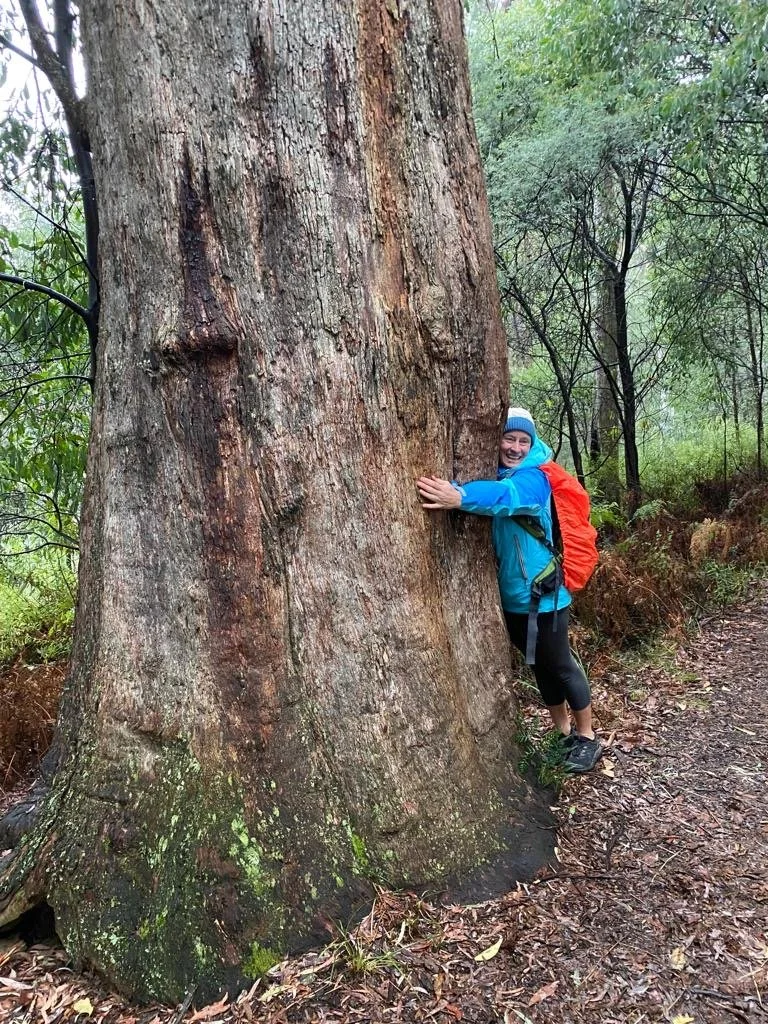
The Nourisher
Naturally brings care, belonging and emotional safety
The Nourisher notices who hasn’t eaten, who looks overwhelmed and who needs a little extra reassurance. They help a group feel held and can turn strangers into a temporary family.
When stretched too far, care can become carrying. They may over-give, absorb everyone’s moods or start mothering perfectly capable adults.
At their best: warm, grounded and supportive
Under pressure: worried, over-responsible and drained
What helps: nourishment, boundaries and remembering that not every feeling belongs to them
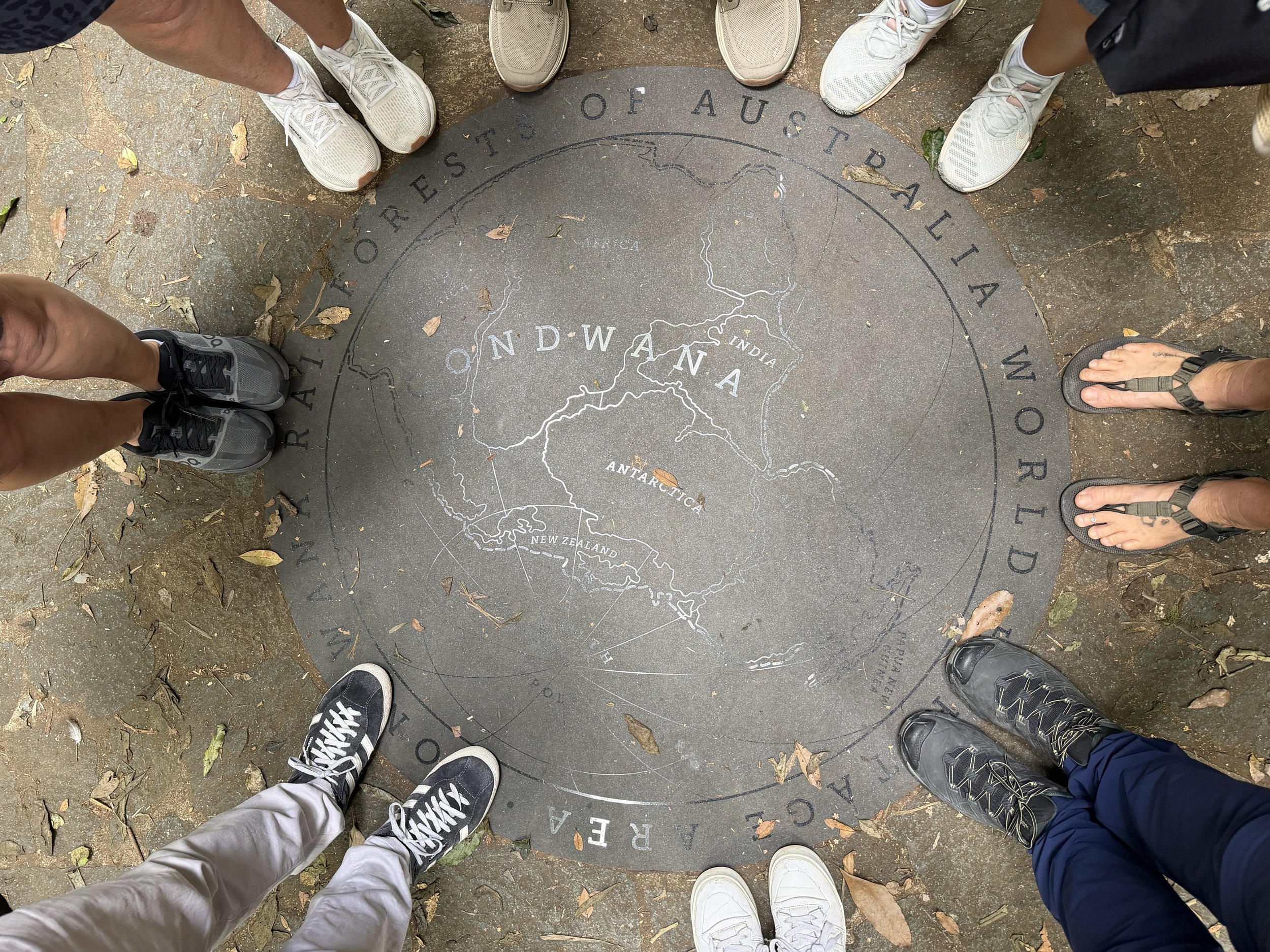
The Organiser
Naturally brings clarity, systems and boundaries
The Organiser keeps the trip running. They know the timings, rooming lists, dietary requirements and emergency contacts before anyone else has found their passport.
When stretched too far, organisation can become rigidity. A late guest, changed booking or vague supplier message can feel like an attack on the natural order of the universe.
At their best: clear, efficient and professional
Under pressure: sharp, controlling or perfectionistic
What helps: flexibility, perspective and letting some things be good enough
The Connector
Naturally brings warmth, humour and group energy
The Connector brings the spark. They help people relax, turn awkward silences into laughter and make ordinary moments feel memorable.
When stretched too far, connection can become performance. They may feel responsible for the group’s mood, talk too much or burn themselves out trying to keep everyone entertained.
At their best: engaging, playful and inclusive
Under pressure: over-performing, approval-seeking or emotionally flat
What helps: genuine connection, quiet time and permission not to be “on”

The Resilient Guide
Naturally brings endurance, calm and self-trust
The Resilient Guide stays steady when the weather turns, the road closes or the itinerary goes sideways. They are the quiet battery behind the trip.
When stretched too far, resilience can become depletion. They may keep pushing long after their reserves are gone and only realise how tired they are once the tour ends.
At their best: calm, wise and dependable
Under pressure: withdrawn, fearful or completely knackered
What helps: sleep, recovery and protecting their deeper energy
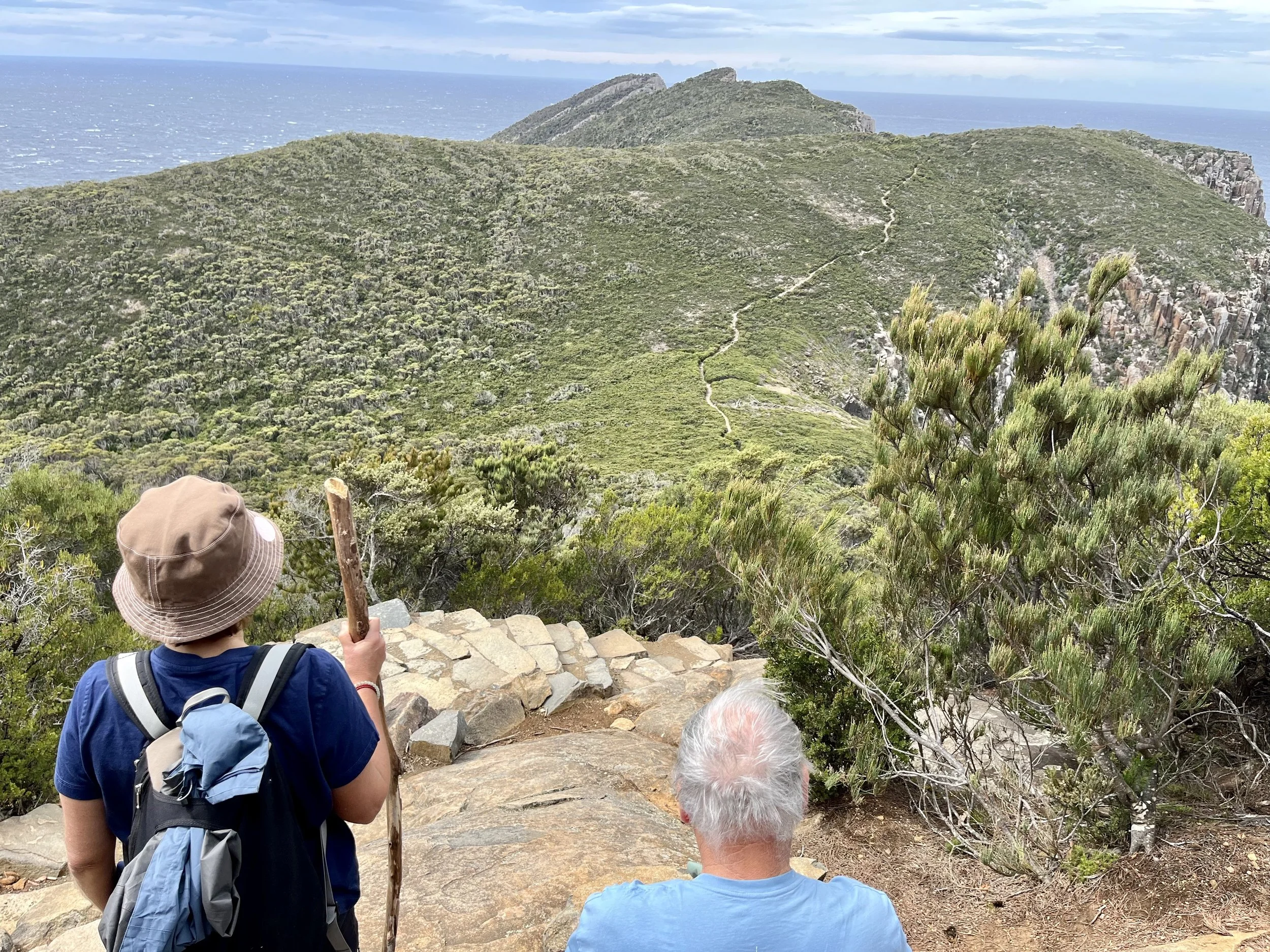
The Navigator
Naturally brings adaptability, direction and problem-solving
The Navigator finds Plan B before most people realise Plan A has disappeared. They make decisions, change direction and keep the group moving.
When stretched too far, adaptability can become impatience or control. Slow guests, repeated questions and inefficient systems may test every last nerve.
At their best: decisive, flexible and solution-focused
Under pressure: frustrated, bossy or stuck
What helps: movement, a clear next step and remembering that people are not problems to be solved

Which guide shows up for you when the pressure is on?
When everything is running smoothly, most of us can be warm, organised, adaptable and calm.
The more interesting question is what happens when you are tired, hungry, behind schedule or dealing with one more unexpected problem.
Do you start taking responsibility for everyone’s mood?
Do you cling more tightly to the plan?
Do you try even harder to keep everyone entertained?
Do you push through when you really need rest?
Do you become impatient with people who are moving too slowly?
***
Your stress patterns aren’t failures. They’re clues.
The more clearly you recognise them, the sooner you can choose what you actually need.
***
You’re part of the itinerary too
Without the guide, there is no tour. You’re not just the person holding it all together. You’re part of the experience, part of the energy and part of what makes the whole thing work. Treat yourself like one of the most important people on the trip. Make sure you are fed, rested when possible, clear on what you need, supported when things get hard and given space to reset. You wouldn’t expect a vehicle to keep running without fuel, maintenance or recovery time. You deserve the same care.
Good guides look after the group. Great guides remember they are part of it.

The Five Elements Within Every Natural Thing
Nature doesn’t rely on one way of being. Earth holds and nourishes. Metal creates structure and defines the edges. Fire brings warmth, movement and connection. Water carries deep reserves and knows when to flow, wait or retreat. Wood reaches forward, changes direction and finds its way around whatever stands in its path.
None of these elements works alone.
A forest can’t grow without water, soil, sunlight, minerals and the steady movement of new life. A river needs strong banks or it loses direction. Fire needs something solid to hold it and enough space to breathe. Trees need roots beneath them as much as they need open sky above.
Nature finds harmony through relationship, and so do we.
Every human carries all five elements, and nature shows us that imbalance doesn’t mean failure. It simply means something needs our attention.
When we adventure into ourselves as deeply as we explore the world around us, we start to understand how we work. We notice our patterns: what comes naturally, what disappears when we’re exhausted and what becomes louder when we’re under pressure.
We begin to recognise when we’re over-giving, over-planning, over-performing, endlessly pushing through or trying to force the day back under control.
The work is to listen to those parts of ourselves without judging them. Because when we don’t listen, they tend to get louder.
It’s up to us to notice our reactions, understand what sits beneath them and learn strategies that help us respond rather than react—to others, to difficult situations and to ourselves.