
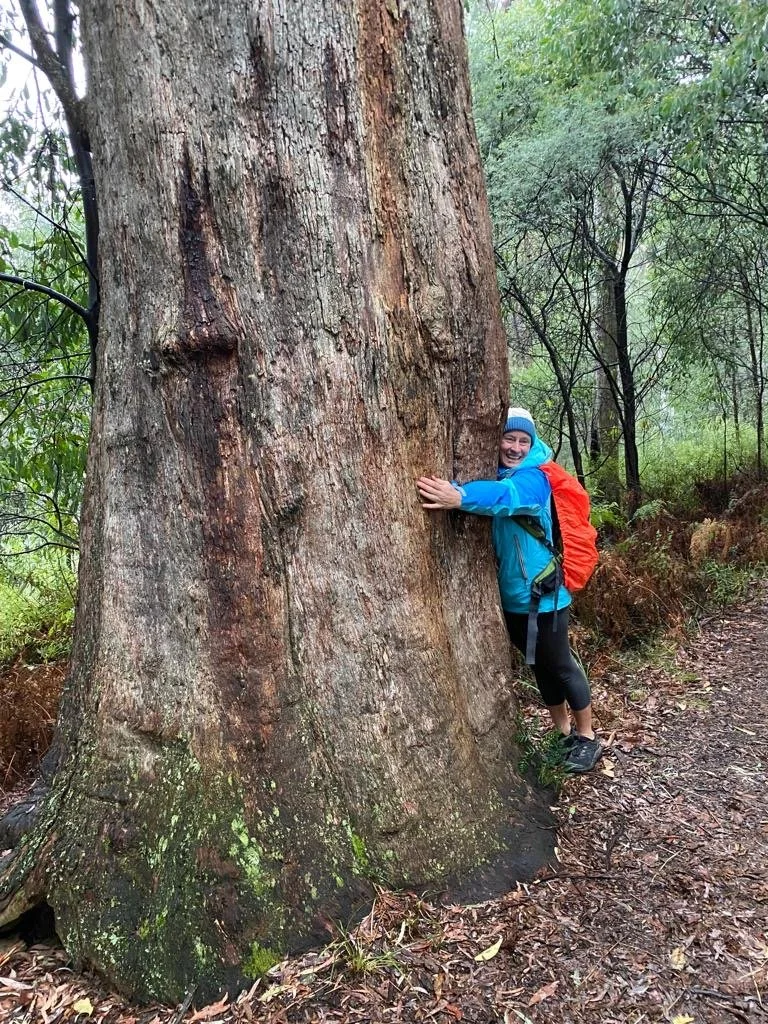
The Nourisher

Meet the Guide
The Nourisher is the guide who notices people. They are often the first to see who is hanging back, who has not eaten, who looks overwhelmed and who might need a little extra reassurance before the group moves on. They have a natural instinct for creating warmth and belonging, and they help people feel as though they matter, rather than simply being another name on a passenger list.
They tend to remember the small things. They notice who prefers tea over coffee, who is nervous about the walk ahead and who might need a quiet word rather than attention in front of the group. They are often patient, thoughtful and generous, and they understand that a great trip is not only about where people go. It is also about whether they feel safe, included and cared for along the way.
The Nourisher does not just lead the itinerary. They help hold the human experience of the tour.
What They Bring
The Nourisher brings heart to the group. They create an atmosphere where people feel welcomed rather than processed and where quieter guests are less likely to disappear into the background. Their presence often helps strangers settle more quickly, and they’re good at creating the feeling that everyone has a place.
They’re usually very aware of emotional undercurrents in a group. They can often tell when a guest’s behaviour is coming from fear, tiredness or uncertainty rather than simple rudeness. This means they can respond with empathy while still helping the group move forward. They’re also likely to notice when the whole group needs a pause, a meal, a laugh or a little less pressure.
Their strength lies in the way they make people feel. Guests may forget some of the facts they shared, but are unlikely to forget feeling seen, supported and looked after.
When They’re in Their Element
When the Nourisher is balanced, their care feels generous without becoming draining. They support people without taking responsibility for every emotion in the group, and they can listen without feeling that they must solve everything. They know that sometimes a guest needs help, while at other times they simply need space to work something out for themselves.
A balanced Nourisher creates connection naturally rather than forcing it. Their warmth feels genuine, and they don’t need to act friendly (it comes naturally) or keep everybody happy at all times. They understand that belonging does not mean removing every awkward moment or smoothing over every disagreement.
They also recognise that their own wellbeing affects the entire tour. They make time to eat, rest, ask for help and accept support when it is offered. They know that looking after themselves is not separate from looking after the group. It’s part of how they remain patient, present and available.
When They’re Running Low
When the Nourisher is depleted, the warmth they usually bring can begin to fade. They may feel flat, irritable or strangely disconnected from guests, even when they genuinely care about them. Requests that would normally feel manageable can start to feel overwhelming, especially after several days of anticipating everyone else’s needs while ignoring their own.
They often keep giving long after they have run out of capacity. They might continue saying yes, but the care behind that yes becomes thinner. Resentment can begin to build quietly, particularly when they feel that nobody notices how much the load they’re carrying.
At this point, they could find themselves thinking that everyone wants something from them, nobody is helping and there is never a moment when they get to switch off. They haven’t stopped caring. They’ve just spent too long pouring from an empty cup!
When Their Strength Goes Too Far
The Nourisher’s greatest strength is care, but care can easily become over the top. They could try to manage emotions that aren’t theirs, trying to prevent guests from ever feeling disappointed, uncomfortable or challenged. Because they’re so tuned in to the group, they might start believing that everyone’s happiness is their responsibility.
This can lead to blurred boundaries. They could offer more time, attention or emotional support than they realistically have, or say yes when the honest answer should be no. They might also focus so heavily on one guest’s needs that the balance of the wider group begins to shift.
The Nourisher can avoid difficult conversations because they don’t want to upset anyone. In trying to protect the peace, they could allow behaviour to continue that is affecting the rest of the group. Their support can quietly turn to rescuing, and the very thing that makes them a beautiful guide can begin to wear them down.
The answer isn’t to care less. It is to remember that people need carry their own experience.
When the Day Gets Wild
When plans fall apart, the Nourisher’s first instinct is often to look after the people affected. While someone else is working on logistics, they’re likely to be reassuring the nervous guest, calming the disappointed traveller or trying to help the group feel considered. This is incredibly valuable because disruptions are rarely only practical. They also have an emotional impact.
Under intense pressure, however, the Nourisher can absorb too much of the group’s reaction. A guest’s frustration can feel personal, even when it isn’t. They could replay conversations later and wonder whether they should have noticed something earlier, said something differently or done more.
They can also spend so much time making everybody feel okay that they delay the clear decision the situation needs. In those moments, it helps to ask whether the person needs care or whether the moment needs leadership. Sometimes reassurance is the right response. At other times, the kindest thing is a firm boundary, a clear answer or simply moving the group forward.
What Brings Them Back
The Nourisher restores through receiving, although receiving can be difficult for someone who is used to being the one who gives. They need proper meals, quiet moments, genuine appreciation and relationships where they don’t always have to be the responsible one.
They benefit from being asked how they are and answering honestly rather than automatically saying they are fine. They also need permission to step back without feeling guilty. Letting another guide, driver or team member take over for a while (where possible) can make a huge difference, as can having five quiet minutes away from the group.
Depending on where they work, they may work alone. In this case, it’s important to create time for themselves as it’s not always possible to hand ball the group to someone else to have their moment.
Their recovery is often simple and grounding. Good food, familiar places, meaningful conversation, rest and time with people who don’t need anything from them can help them return to themselves. They may also need to ask what they’re carrying that was never theirs to hold.
A useful breath for the Nourisher is: Breathe in support. Breathe out what isn’t yours to carry.
Their reset is not about becoming less caring. It is about making sure their care has somewhere to come from.


Questions for the Road
Am I supporting this person, or have I started carrying them?
Have I eaten properly, rested enough and given myself any space today?
Am I saying yes because I genuinely have the capacity, or because I am afraid of disappointing someone?
Is there a boundary I’m avoiding because I want to keep the peace?
Who or what is nourishing me at the moment, and have I allowed anyone to help?
What am I holding that doesn’t actually belong to me?