
The Navigator

Meet the Guide
The Navigator is the guide who finds Plan B before most people have realised Plan A has disappeared. They’re quick to assess what’s changed, make a decision and keep the group moving without creating more drama than the situation needs.
They tend to be adaptable, practical and forward-thinking. When the road closes, the booking changes or the weather ruins the original plan, they don’t spend too long wishing things were different. Their attention moves quickly towards what can still be done and how to make the best of what’s available.
The Navigator often brings a strong sense of direction to the group. Guests feel reassured when someone can say, “Right, here’s what we’re doing next,” especially when everyone else is still looking confused. They’re usually comfortable making decisions and taking responsibility for the outcome.
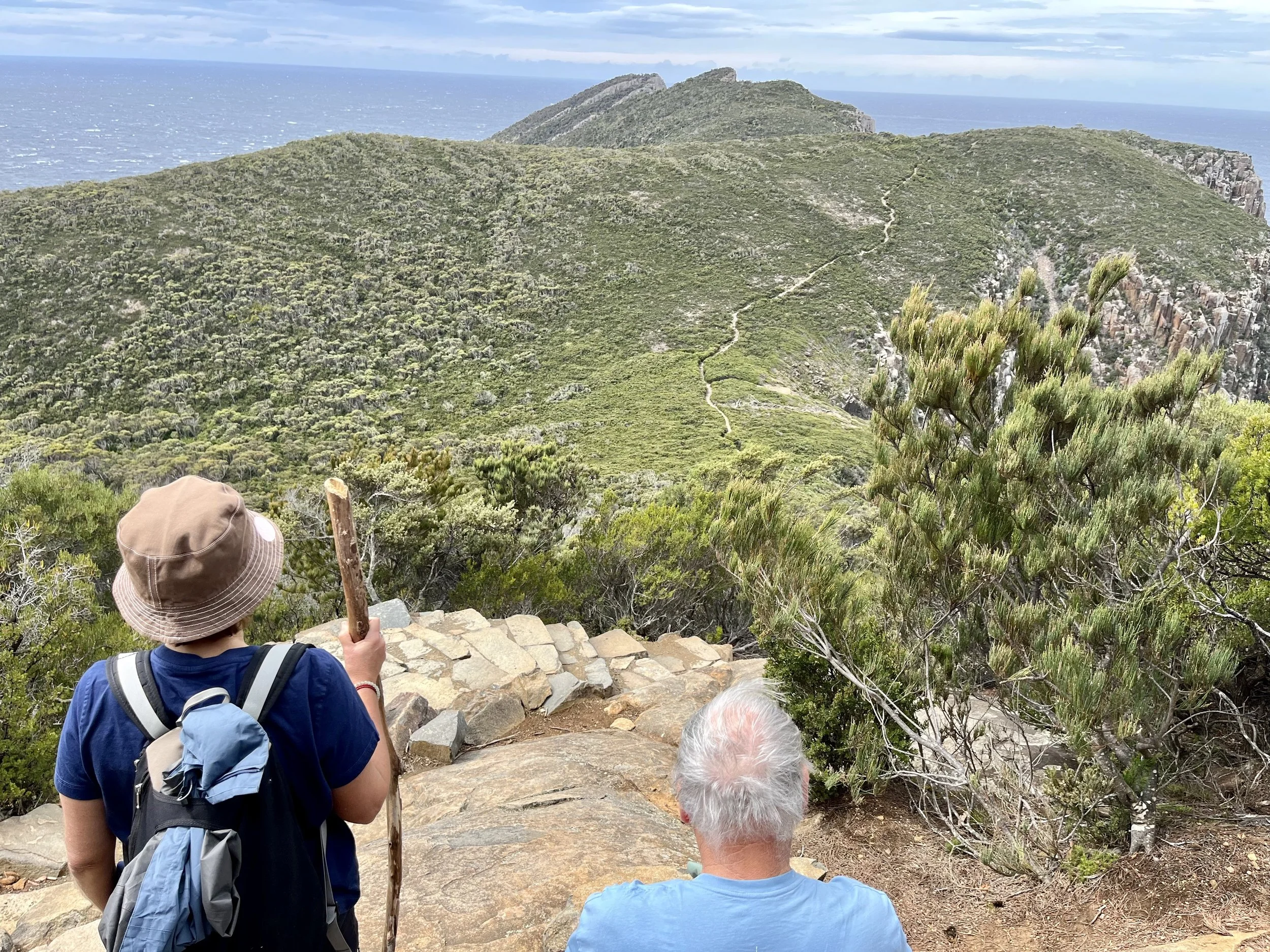
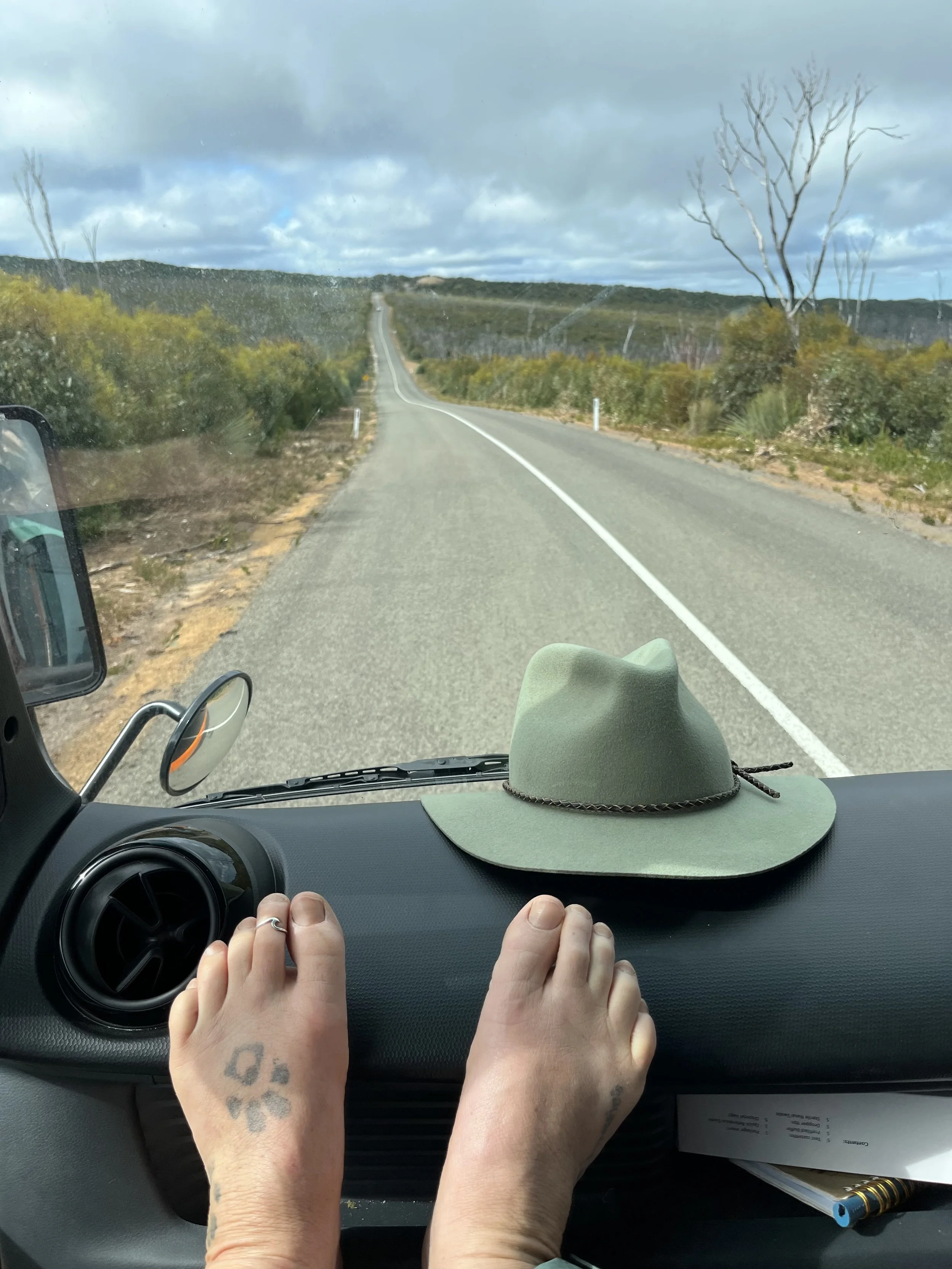
They don’t just follow the road ahead. They work out where to go when the road changes.
What They Bring
The Navigator brings momentum, adaptability and practical problem-solving to the tour. They’re good at seeing options, making decisions and turning unexpected problems into workable next steps.
They don’t need everything to be perfect before they act. They can work with limited information, adjust as new details appear and change direction without losing confidence. This makes them incredibly valuable in guiding, where the plan often needs to bend around weather, traffic, suppliers, guests and the occasional complete mystery.
They’re also good at helping the group move through uncertainty. Rather than overloading people with every possible scenario, they often focus attention on what matters now. They can simplify a complicated situation and give people one clear thing to do next.
Their strength lies in forward movement. When the day gets stuck, the Navigator helps it find a way through.
When They’re in Their Element
When the Navigator is balanced, they’re decisive without becoming forceful. They know when to lead clearly, when to offer choices and when to pause long enough for other people to catch up.
They can change the plan without making the group feel as though everything has fallen apart. Their flexibility feels confident rather than chaotic because they still provide direction, communication and a sense of purpose.
A balanced Navigator also understands that movement isn’t always the answer. Sometimes the best decision is to wait, ask another question or let the group settle before pushing ahead. They can distinguish between a moment that needs action and one that needs patience.
They trust their ability to solve problems, but they don’t assume they have to solve everything alone. They listen to local knowledge, respect the experience of other guides and stay open to the possibility that someone else has spotted a better route.
At their best, they keep the tour moving without dragging everyone behind them.
When They’re Running Low
When the Navigator is depleted, their usual sense of direction can begin to disappear. They might feel stuck, frustrated or unusually uncertain about what to do next. Even small decisions can feel harder because their mind is tired of constantly adjusting and solving.
They can also lose patience quickly. Repeated questions, slow responses or people who don’t follow instructions can feel unbearable when they’re already running low. Instead of seeing guests as individuals who need time or reassurance, they start seeing them as obstacles between the group and the next step.
Their frustration can become visible in their tone, body language or the speed at which they move. They might become blunt, rush explanations or assume everyone should already understand what’s happening.
At other times, they can freeze. They’re so used to having a direction that not knowing what to do can feel deeply uncomfortable. They may overthink the options, resist asking for help or keep pushing at a plan that clearly isn’t working because changing course again feels exhausting.
They haven’t lost their ability to navigate. They’ve spent too long solving problems without enough space to reset.
When Their Strength Goes Too Far
The Navigator’s greatest strength is adaptability, but adaptability can become impatience or control when it’s pushed too far.
They can become so focused on reaching the outcome that they forget people don’t all move, decide or process information at the same speed. Slow guests, repeated questions and inefficient systems can test every last nerve.
They might start giving orders rather than guidance. Their communication becomes shorter, sharper and more focused on compliance than understanding. What feels like efficient leadership to them can feel bossy or dismissive to everyone else.
They can also change direction too quickly. Because they’re good at spotting options, they might move to the next plan before others have fully understood why the first one changed. This can leave the group feeling confused, even when the decision itself is sensible.
The Navigator can become attached to action. Waiting feels unproductive, uncertainty feels irritating and emotions can look like unnecessary delays. They might try to solve a guest’s frustration when that person actually needs to be heard.
The pattern to watch is this:
Direction can quietly turn into control.
The answer isn’t to become less decisive. It’s to remember that people aren’t problems to be solved or pieces to be moved around the itinerary.
When the Day Gets Wild
When the day goes sideways, the Navigator usually becomes more focused. They look for options, gather the essential information and work out the clearest way forward.
They’re often excellent during sudden disruptions because they don’t waste too much energy resisting what’s already happened. If the road is closed, it’s closed. If the booking has changed, it has changed. Their attention moves quickly to the next workable plan.
This can help the group feel safe because momentum reduces uncertainty. Even when the new plan isn’t ideal, having a direction often feels better than standing around with no idea what’s happening.
Under intense pressure, though, the Navigator can move too quickly. They might make a good practical decision but forget to explain it, check how the group is coping or notice that someone has fallen behind.
Their frustration can also rise when other people need more time. A guest who is anxious, tired or confused can feel like they’re slowing down an already difficult day. That’s when the Navigator needs to remember that leadership isn’t only about getting the group moving. It’s also about bringing people with them.
Sometimes the next step needs to be decisive. Sometimes it needs to be slower, clearer and more human.
What Brings Them Back
The Navigator restores through movement, direction and having one clear next step. When they feel stuck or overwhelmed, trying to solve the entire problem at once usually makes things worse. Breaking it down into the next useful action helps their energy start moving again.
Physical movement can be especially helpful. Walking, stretching, swimming, dancing or getting outside can release frustration that has built up through long hours of waiting, driving or dealing with systems that don’t work as efficiently as they should.
They also benefit from space where they don’t have to lead. Letting someone else choose the restaurant, organise the plan or decide what happens next can soften the part of them that’s always responsible for direction.
Perspective helps too. Not every delay is a disaster, not every inefficient person is deliberately making life difficult and not every problem needs an immediate solution. Sometimes the group needs patience more than progress.
A useful breath for the Navigator is: Breathe in direction. Breathe out the need to force the way forward.
Their reset isn’t about losing momentum. It’s about finding a pace that people can actually follow.

Questions for the Road
Am I leading the group forward, or pushing them because I’m uncomfortable with the delay?
Does this situation need a decision, or does it need more information?
Have I clearly explained the change, or have I moved ahead before everyone understands?
Am I solving the actual problem, or simply trying to make the discomfort disappear?
Who could offer a different perspective or a better option?
Am I treating this person like a human being, or like something slowing down the plan?
What’s the next useful step, rather than the entire solution?
Can I stay flexible without trying to control every outcome?
The Navigator
Meet the Guide
The Navigator is the guide who finds Plan B before most people have realised Plan A has disappeared. They’re quick to assess what’s changed, make a decision and keep the group moving without creating more drama than the situation needs.
They tend to be adaptable, practical and forward-thinking. When the road closes, the booking changes or the weather ruins the original plan, they don’t spend too long wishing things were different. Their attention moves quickly towards what can still be done and how to make the best of what’s available.
The Navigator often brings a strong sense of direction to the group. Guests feel reassured when someone can say, “Right, here’s what we’re doing next,” especially when everyone else is still looking confused. They’re usually comfortable making decisions and taking responsibility for the outcome.
They don’t just follow the road ahead. They work out where to go when the road changes.
What They Bring
The Navigator brings momentum, adaptability and practical problem-solving to the tour. They’re good at seeing options, making decisions and turning unexpected problems into workable next steps.
They don’t need everything to be perfect before they act. They can work with limited information, adjust as new details appear and change direction without losing confidence. This makes them incredibly valuable in guiding, where the plan often needs to bend around weather, traffic, suppliers, guests and the occasional complete mystery.
They’re also good at helping the group move through uncertainty. Rather than overloading people with every possible scenario, they often focus attention on what matters now. They can simplify a complicated situation and give people one clear thing to do next.
Their strength lies in forward movement. When the day gets stuck, the Navigator helps it find a way through.
When They’re in Their Element
When the Navigator is balanced, they’re decisive without becoming forceful. They know when to lead clearly, when to offer choices and when to pause long enough for other people to catch up.
They can change the plan without making the group feel as though everything has fallen apart. Their flexibility feels confident rather than chaotic because they still provide direction, communication and a sense of purpose.
A balanced Navigator also understands that movement isn’t always the answer. Sometimes the best decision is to wait, ask another question or let the group settle before pushing ahead. They can distinguish between a moment that needs action and one that needs patience.
They trust their ability to solve problems, but they don’t assume they have to solve everything alone. They listen to local knowledge, respect the experience of other guides and stay open to the possibility that someone else has spotted a better route.
At their best, they keep the tour moving without dragging everyone behind them.
When They’re Running Low
When the Navigator is depleted, their usual sense of direction can begin to disappear. They might feel stuck, frustrated or unusually uncertain about what to do next. Even small decisions can feel harder because their mind is tired of constantly adjusting and solving.
They can also lose patience quickly. Repeated questions, slow responses or people who don’t follow instructions can feel unbearable when they’re already running low. Instead of seeing guests as individuals who need time or reassurance, they start seeing them as obstacles between the group and the next step.
Their frustration can become visible in their tone, body language or the speed at which they move. They might become blunt, rush explanations or assume everyone should already understand what’s happening.
At other times, they can freeze. They’re so used to having a direction that not knowing what to do can feel deeply uncomfortable. They may overthink the options, resist asking for help or keep pushing at a plan that clearly isn’t working because changing course again feels exhausting.
They haven’t lost their ability to navigate. They’ve spent too long solving problems without enough space to reset.
When Their Strength Goes Too Far
The Navigator’s greatest strength is adaptability, but adaptability can become impatience or control when it’s pushed too far.
They can become so focused on reaching the outcome that they forget people don’t all move, decide or process information at the same speed. Slow guests, repeated questions and inefficient systems can test every last nerve.
They might start giving orders rather than guidance. Their communication becomes shorter, sharper and more focused on compliance than understanding. What feels like efficient leadership to them can feel bossy or dismissive to everyone else.
They can also change direction too quickly. Because they’re good at spotting options, they might move to the next plan before others have fully understood why the first one changed. This can leave the group feeling confused, even when the decision itself is sensible.
The Navigator can become attached to action. Waiting feels unproductive, uncertainty feels irritating and emotions can look like unnecessary delays. They might try to solve a guest’s frustration when that person actually needs to be heard.
The pattern to watch is this:
Direction can quietly turn into control.
The answer isn’t to become less decisive. It’s to remember that people aren’t problems to be solved or pieces to be moved around the itinerary.
When the Day Gets Wild
When the day goes sideways, the Navigator usually becomes more focused. They look for options, gather the essential information and work out the clearest way forward.
They’re often excellent during sudden disruptions because they don’t waste too much energy resisting what’s already happened. If the road is closed, it’s closed. If the booking has changed, it has changed. Their attention moves quickly to the next workable plan.
This can help the group feel safe because momentum reduces uncertainty. Even when the new plan isn’t ideal, having a direction often feels better than standing around with no idea what’s happening.
Under intense pressure, though, the Navigator can move too quickly. They might make a good practical decision but forget to explain it, check how the group is coping or notice that someone has fallen behind.
Their frustration can also rise when other people need more time. A guest who is anxious, tired or confused can feel like they’re slowing down an already difficult day. That’s when the Navigator needs to remember that leadership isn’t only about getting the group moving. It’s also about bringing people with them.
Sometimes the next step needs to be decisive. Sometimes it needs to be slower, clearer and more human.
What Brings Them Back
The Navigator restores through movement, direction and having one clear next step. When they feel stuck or overwhelmed, trying to solve the entire problem at once usually makes things worse. Breaking it down into the next useful action helps their energy start moving again.
Physical movement can be especially helpful. Walking, stretching, swimming, dancing or getting outside can release frustration that has built up through long hours of waiting, driving or dealing with systems that don’t work as efficiently as they should.
They also benefit from space where they don’t have to lead. Letting someone else choose the restaurant, organise the plan or decide what happens next can soften the part of them that’s always responsible for direction.
Perspective helps too. Not every delay is a disaster, not every inefficient person is deliberately making life difficult and not every problem needs an immediate solution. Sometimes the group needs patience more than progress.
A useful breath for the Navigator is: Breathe in direction. Breathe out the need to force the way forward.
Their reset isn’t about losing momentum. It’s about finding a pace that people can actually follow.
Questions for the Road
Am I leading the group forward, or pushing them because I’m uncomfortable with the delay?
Does this situation need a decision, or does it need more information?
Have I clearly explained the change, or have I moved ahead before everyone understands?
Am I solving the actual problem, or simply trying to make the discomfort disappear?
Who could offer a different perspective or a better option?
Am I treating this person like a human being, or like something slowing down the plan?
What’s the next useful step, rather than the entire solution?
Can I stay flexible without trying to control every outcome?