
Support your guides properly, strengthen the guest experience and build a tourism business people want to keep working for.
Tour Guides Work Hard!
Tour guides in Australia are often expected to do the work of a small army.
They lead people, drive heavy vehicles, reverse trailers, manage logistics, communicate changes, solve problems, monitor safety, handle money, support anxious guests, work with suppliers, remember dietary and medical needs and somehow keep the whole experience warm, organised and enjoyable.
Honestly, guides are alittle bit superhuman!
But they’re still human.
Behind every smooth tour is a guide making hundreds of decisions, managing emotional pressure and quietly filling the gaps between what was planned and what actually happened.
The question is:
Are your systems supporting them, or are your guides holding the business together through experience, goodwill and sheer determination?
Long days are part of guiding.
“It’s a lifestyle job”
Yes, that’s true.
In my first guiding job, I was paid less than £1 an hour. I still chose to do it, and at that time in my life, the tips and lump sum at the end of the season made it feel feasible.
But choosing that lifestyle doesn’t mean guides should be expected to operate indefinitely on passion, adrenaline and very little recovery.
Long days are part of guiding. So are early mornings, late finishes and unexpected problems. Most guides understand that when they sign up.
Businesses still have a responsibility to examine whether workloads, turnaround times and expectations are realistic.
A guide who finishes one tour late, washes the bus, completes their admin and then starts another trip early the following morning hasn’t been given time to recover. They’re carrying accumulated fatigue straight into a new group of guests.
Recovery time isn’t a luxury.
It affects safety, communication, decision-making, patience and the overall quality of the guest experience.
Of course, the realities of single-day and multi-day tours are different.
On a multi-day tour, guides usually have time to settle into the rhythm of the trip. We get to know the group, ease into the role a little and aren’t necessarily washing the vehicle, completing end-of-trip admin and meeting an entirely new group every day.
Single-day tours are a whole other ball game.
Each day can mean a fresh group, a new safety briefing, new personalities, new expectations and the pressure to create connection quickly, deliver a great experience and reset everything again before the next morning.
Long days may be part of guide life. Constant exhaustion shouldn’t have to be.
And the old idea that guides are somehow “soft” because they don’t want to live in a constant state of exhaustion doesn’t cut it anymore.
Now we know better, we need to do better.
Explore the Five Guide Elements
A practical framework to help you understand your strengths, recognise your stress patterns and discover what you need to lead well.
Tour Guide
Life Skills
Practical skills to help good guides become great guides
Reset & Recover
Simple, practical ways to arrive on tour grounded, stay steady when the day gets wild and come back to yourself when the day is done.

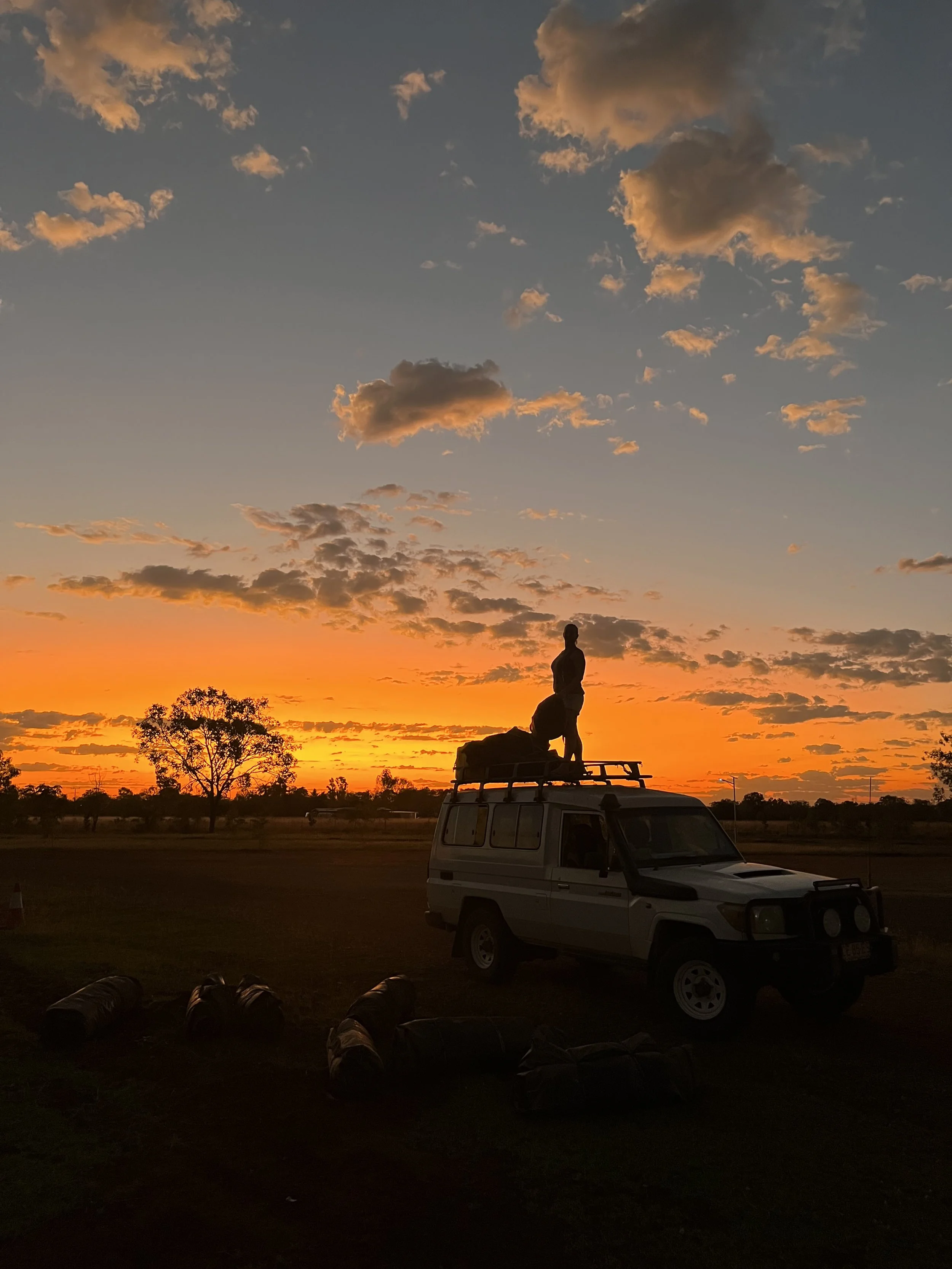
Stories & Thoughts
From the Road
I’ve always written to make sense of life, both on the road and off. Here is where the stories, lessons, beautiful moments and occasional disasters all end up!
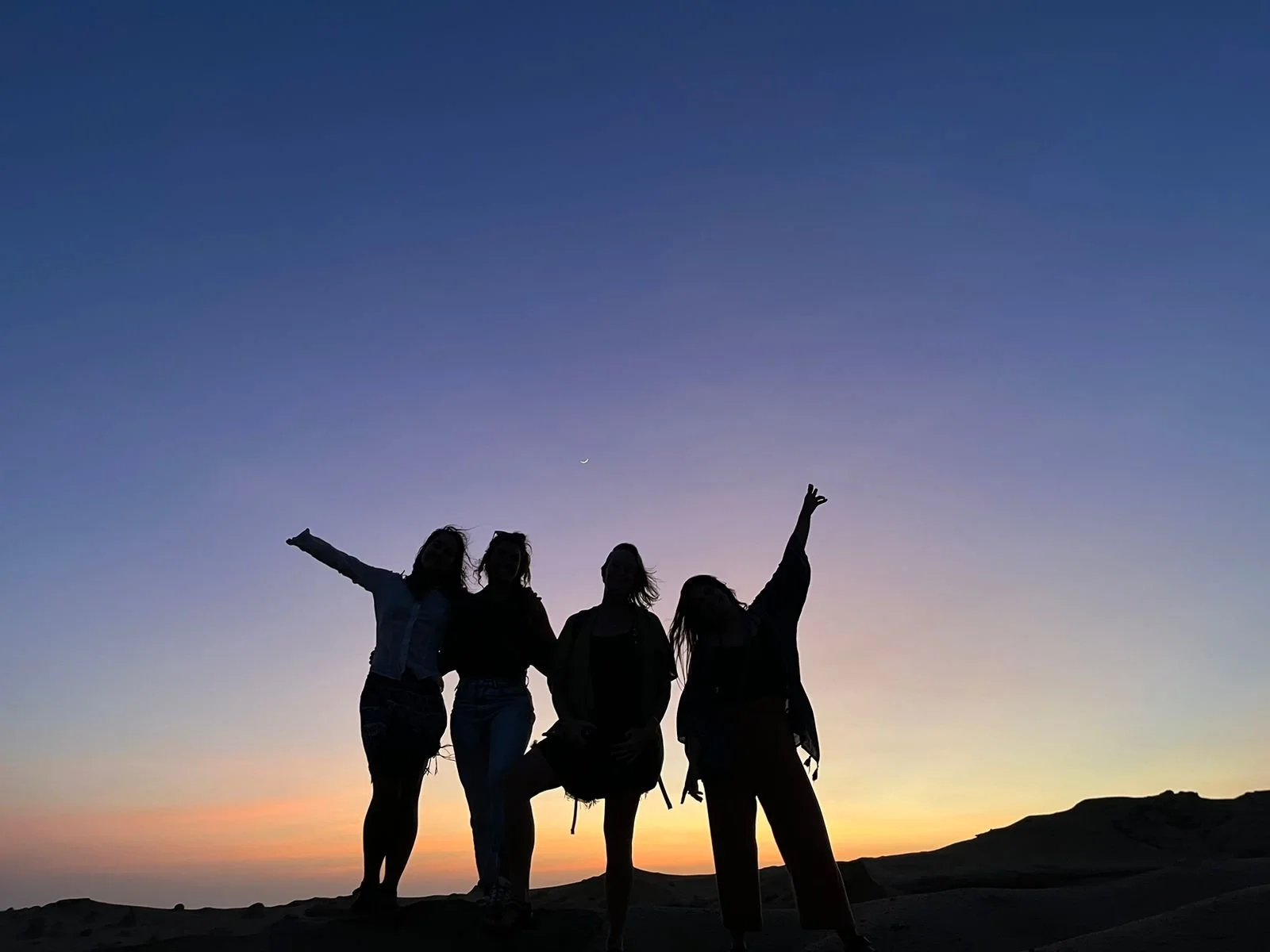
“Good guides know the road. Great guides know themselves.”
Adventurous Soul
This website will keep growing, just as we do.
It’s a collection of tools, ideas and practices that I, and many of the guides around me, use to stay grounded, capable and reasonably sane in a job that can ask a lot of us.
Life is a beautiful mess, and guide-life turns up that volume.
It can take us through more emotions, decisions, personalities, pressures and uncomfortable moments than we ever imagined when we first thought, Getting paid to travel sounds fun!
And it is fun. Guiding is extraordinary.
But it can also stretch us, challenge us and occasionally make us question why we thought spending days or weeks responsible for a moving collection of humans who don’t know each other was a good idea.
The tools on this site can help, but only when we use them.
A breathing practice won’t regulate us if we never stop to breathe. A boundary won’t protect us if we don’t communicate it. A recovery plan won’t restore us if we fill every break with more work. Knowledge is useful, but personal responsibility is what turns knowledge into change.
This doesn’t mean blaming ourselves when things feel hard. It means becoming honest about what belongs to us: our choices, habits, boundaries, actions and reactions.
We work with people from different cultures, backgrounds, expectations and ways of moving through the world. We can’t control every guest, supplier, delay, mood or unexpected problem.
We are our only constant.
At some point, whether for a season or a lifetime, we chose this path. We can’t outsource the way we travel it.
We can learn to care without losing ourselves, adapt without abandoning our needs and take responsibility without believing everything is our fault.
If we wanted a completely predictable and unchallenging life, there are probably easier jobs we could’ve chosen.
Guiding asks us to grow.
And, really, so does life.
Get In Touch
If you're interested in working with us, complete the form with a few details about your project. We'll review your message and get back to you within 48 hours.